By Franklin de la Cruz
Professional Communicator and Strategist in Public Affairs
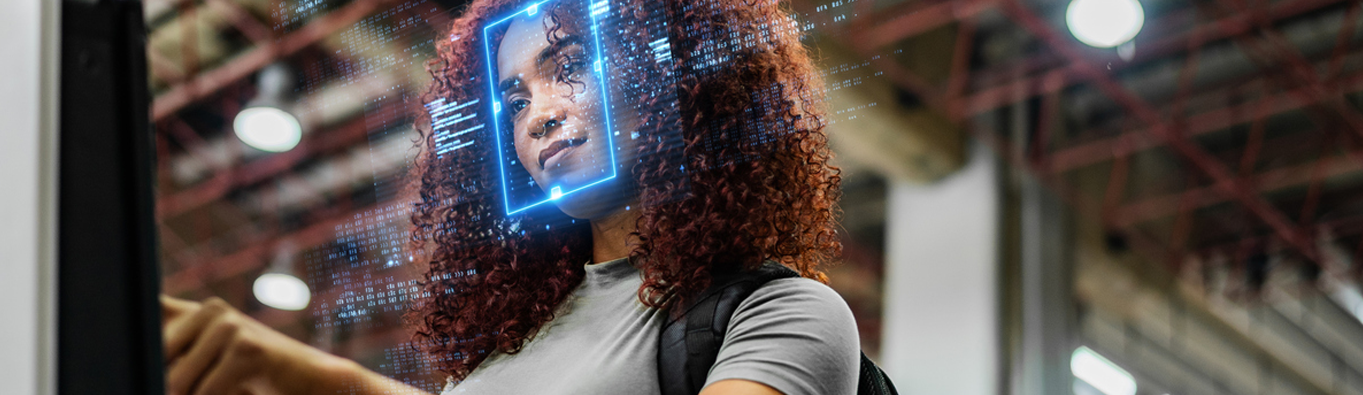
Biometric technology is transforming how citizens worldwide participate in elections. The use of fingerprints, facial recognition, and iris scans to enhance voter databases and authenticate voters and poll workers is making elections more efficient and secure.
Proponents hail biometrics as the holy grail of voter identification, a solution to identity fraud and mismanagement. Yet skepticism persists. Are biometric voting systems a cure for electoral fraud or a costly experiment with unproven value?
This paper explores the global experience with biometrics in voting, the innovation it brings, the controversies it sparks, and the delicate balance between electoral integrity and individual privacy.
Are biometric voting systems a cure for electoral fraud or a costly experiment with unproven value?
History of Biometrics
The concept of biometrics dates back to ancient times. In Babylon, fingerprints on clay tablets served as identity verification. By the 19th century, the field became formalized: French criminologist Alphonse Bertillon pioneered physical measurements for identification, while Sir Francis Galton demonstrated the uniqueness of fingerprints.
The mid-20th century ushered in automated fingerprint identification systems (AFIS), revolutionizing law enforcement. By the 1980s and 1990s, biometric applications expanded to facial recognition, iris scans, and voice ID, laying the groundwork for use in border control, finance, and eventually, elections.
What Role Does Biometrics Play in Elections?
Biometrics is now integral to electoral processes, particularly in enhancing the accuracy and security of voter registration and authentication:
- Voter database enhancement: Election Management Bodies (EMBs) collect biometric data (fingerprints, facial images) alongside biographic details to strengthen voter rolls.
- Identity card upgrades: Traditional voter IDs are being replaced with biometric identifiers like fingerprints or retina scans.
- Database cleaning via de-duplication: With Automated Biometric Identification Systems (ABIS), EMBs detect and eliminate duplicate registrations.
- Voter authentication: Biometric e-Poll books allow secure, instant voter identification on election day.
- Poll worker verification: Biometrics confirm that only authorized personnel manage critical election tasks.
3 Core Benefits of Biometrics

Fraud Prevention

Accuracy

Security
India and Brazil are among the global leaders in the adoption of biometrics. India’s Aadhaar system has enrolled over a billion citizens, integrating biometric data into voter rolls. Brazil began using fingerprint identification in 2008. By the 2024 municipal elections, 82.69% of its electorate: 132 million voters, were biometrically authenticated.
Across Africa, biometrics is central to improving electoral integrity and building civil registries. In many cases, biometric solutions not only reduce fraud but also enable broader governance and service delivery.
According to IDEA International, at least 70 countries now use biometric voter registration, and more than 50% of African nations have deployed biometric technology in national elections.
Explore how election modernization is reshaping the voting experience
Fraud Prevention at Scale
In countries with a history of electoral fraud, the introduction of biometric systems has been transformative. By linking voter identities to unique biometric markers such as fingerprints or iris scans, these systems effectively eliminate the possibility of multiple registrations or double voting, a persistent issue in many nations.
Biometric systems eliminate multiple registrations and impersonation, strengthening electoral integrity. In Argentina’s border regions, biometric authentication helps prevent unauthorized cross-border voting. Fingerprint-based verification ensures only legitimate voters cast ballots, bolstering public trust.
In Brazil, a study found that biometric updates lowered voter abstention in local elections, shifting public spending patterns in response to increased civic engagement.
Efficiency
Beyond addressing fraud, biometric systems offer unparalleled efficiency and accuracy in voter verification. Traditional methods of voter identification, such as manual ID checks, are often slow and prone to human error. In contrast, biometric systems can verify a voter’s identity within seconds, streamlining the voting process and reducing long wait times at polling stations.
Compared to manual ID checks, biometric systems rapidly verify identities, easing long queues. In the 2021 general elections, Honduras deployed 20,000 biometric devices across 18,000 polling sites to authenticate over 3 million voters. Devices integrated fingerprint readers, cameras, and barcode scanners, streamlining voter access.
Accuracy
The Automatic Fingerprint Identification System (AFIS) plays a crucial role in enhancing accuracy within biometric voter databases. The AFIS technology allows for the precise matching of unique fingerprint patterns, ensuring that each individual is registered only once. This prevents multiple registrations, which is a common challenge in traditional voter databases, and significantly reduces the risk of voter fraud.
By integrating AFIS into election processes, countries can create stronger, more reliable voter registries, leading to elections that are not only more secure but also exhibit greater integrity.
IDEA International’s Elections Database tracks global biometric adoption, revealing an increasing reliance on biometric ID to secure elections.
Inclusivity
Biometric systems expand access in regions where formal IDs are rare. In Indonesia, remote populations without documentation can now vote using fingerprints or facial recognition.
In Bolivia, portable biometric technology registered 5 million voters in just 75 days, reaching even rural areas. As a result, female participation increased by 10%, and four years later women became the majority in the lower house of Congress.
Biometrics also simplifies voting for populations with low literacy, removing barriers to democratic participation.
AFIS ensures each individual is registered once—and only once.
Security
Biometric-based election authentication systems can significantly strengthen the security of the electoral process by requiring poll workers to undergo authentication at critical stages, whether it’s at the beginning of the election process, before signing the tally report, or prior to transmitting results. This stringent verification mechanism ensures that only eligible individuals are actively involved in these crucial tasks, effectively reducing the risk of fraud and guaranteeing the integrity of each step in the election procedure.
In Kenya’s 2022 elections, fingerprint verification was required before tally report transmission. This ensured accountability and helped achieve 100% successful report transmission.
Biometric data is uniquely tied to individuals and resistant to forgery, making it a powerful defense against fraud in an era of growing digital threats.
Maturity of Technology
Biometric solutions are no longer experimental. Failures typically stem from poor planning or infrastructure, not flaws in the tech.
Kenya’s 2017 election faced setbacks due to rushed biometric implementation. In response, the Independent Electoral and Boundaries Commission overhauled the system. By 2022, improved e-Poll books, purpose-built election software, and biometric controls for poll workers contributed to a more secure and transparent election.
Future-Proofed Elections
The future of elections is digital. With biometric authentication, secure remote and internet voting becomes possible, enhancing participation while safeguarding the vote.
Biometric systems reduce fraud, accelerate processes, and prepare democracies for the digital age.
The Case Against Biometrics
Privacy Concerns
Biometric systems collect uniquely personal data. Without adequate safeguards, this data can be abused, fueling mass surveillance or repression, especially in authoritarian regimes.
The EU’s General Data Protection Regulation (GDPR) sets a benchmark for biometric data protection. GDPR classifies biometric data as “special category data” requiring the highest protection standards. Key requirements include:
– Informed consent: Voters must actively consent to data collection.
– Strict security: Biometric databases must be encrypted and stored securely.
– Data minimization: Only data strictly necessary for elections may be collected.
– Limited retention: Data must not be stored longer than needed.
– Right to access and deletion: Citizens may review or request deletion of their biometric records.
However, many countries lack such safeguards. Critics warn that biometric systems could become tools of control, not democracy.
Cost and Accessibility
While biometric systems offer long-term gains, upfront costs can be high. Infrastructure, training, and maintenance require significant investment.
The Center for Global Development (CGD) argues that when implemented with care, biometrics can reduce fraud and build trust—but success depends on funding, transparency, and safeguards.
World Bank estimate – $3–$6 per voter for biometric registration.
Ethical Dilemmas
While biometric systems are often lauded for their inclusivity, they are not completely immune to biases and technical limitations that can inadvertently exclude certain voter groups.
For example, most fingerprint capture systems are designed for individuals with well-defined ridges on their fingers and enough moisture content in their hands. Manual laborers, whose fingerprints may be worn down from years of physical work, often struggle to register or authenticate their identities through fingerprint-based systems. Similarly, elderly voters and individuals with certain disabilities may face challenges if their biometric features are faint or irregular.
Moreover, critics warn that biometric data could be repurposed for surveillance. In repressive regimes, this poses a grave risk to dissenters and marginalized groups.
There are also concerns about coercion, voters may surrender biometric data without understanding the risks. Ethical use of biometrics requires inclusivity, transparency, and protections for all.
Recommendations: Striking the Balance
To harness biometric technology for democracy, not control, governments must:
- Ensure transparency: Inform voters about data use and rights
- Protect data: Enforce strong privacy laws and cybersecurity
- Manage costs: Develop scalable solutions (e.g., solar-powered kits in low-resource areas)
- Be inclusive: Accommodate marginalized and vulnerable groups
- Follow global standards: Align with ethical frameworks from bodies like the United Nations
Biometric voting offers both promise and peril. When implemented with care, it enhances trust. When rushed, it erodes confidence.
Technology alone cannot guarantee election integrity. Success depends on transparency, accountability, and inclusive governance.
In the end, biometric voting isn’t just about machines or fingerprints, it’s about trust. And in a democracy, trust is everything.
Biometric voting isn’t just about machines or fingerprints, it’s about trust. And in a democracy, trust is everything.

Franklin de la Cruz
Professional Communicator and Strategist in Public Affairs
A seasoned communicator and strategist, Franklin has built extensive experience in public affairs, advertising, and marketing communications. With over a decade of experience leading projects across Asia, particularly in the Philippines, he brings a deep understanding of the region’s political, cultural, and media landscapes. His perspective on Asian democracies and communication ecosystems informs his approach to crafting strategies that resonate with diverse audiences.
At Smartmatic, his work focuses on initiatives that demonstrate how election technology can strengthen democratic institutions, safeguard electoral integrity, and broaden civic participation worldwide.
Franklin holds a Bachelor’s degree in Communication Arts (Writing) from the University of the Philippines Los Baños and has worked as a newspaper journalist, PR professional, advertising copywriter, creative director, and marketing consultant.